Alchemizing the Wound
Updated: 5 days ago
I met a young man who transformed the way I think.
A word usually used to diminish people could be reclaimed and given a new meaning—one rooted in pride, strength, and empowerment.
And somehow, that changed the way I looked at my own past.
I could see beauty in transforming a word without ever needing to say it. He didn't teach me that I needed to start using the words that made me uncomfortable. He taught me that I could look at them differently.
And that distinction changed everything.
~
I met him six years into my healing.
I wasn't as raw and tender as I had been years before. I was healed enough to share my story with others. Healed enough to be kind and polite to people who had caused me trauma. Healed enough to become spirited, carefree, and positive.
But healing didn't mean I no longer had triggers.
Sometimes, despite all the inner work and discernment I had developed, those old emotions could still flood back.
~
This young man had immigrated from abroad a few years earlier. We were having a fun, lighthearted conversation when he said,
“Yeah, FOBs like me!”
I immediately stopped laughing and gasped playfully. But then I became passionate and upset.
FOB stands for “Fresh off the Boat.” It is often associated with stereotypes about immigrants, particularly Asians who have recently arrived in a new country—those who supposedly don't understand the culture, don't fit in, or are somehow different.
For me, that word has always carried a negative connotation.
~
For the first twenty-two years of my life, not understanding my own health challenges prevented me from connecting with others and speaking up for myself.
During those years, I was screamed at, judged, and called names.
“Childish! Don't invite her!”
“She doesn't carry herself well.”
“She only laughs, never speaks!”
“Low status group.”
“Unpopular.”
“She’s so weird!”
Those words didn't simply disappear after they were spoken. They registered in my emotional memory. In my body. In my mind.
I had spent years healing from the impact of those words. I had become someone who wanted to see the good in people—especially people I didn't know, people who were quiet, people who seemed different.
So, when he said “FOB,” I was triggered instantly.
Because I remembered the way words like that had been used to put people down.
I didn't even realize that he was calling himself a FOB. I was responding to the meaning my nervous system had learned.
~
Only later did I understand the fire that had ignited in my heart.
It was giving light to this young man even when he wasn't trying to put anyone down.
He was doing something completely different.
He was reclaiming the word.
Taking something that is used to diminish people and turning it into something empowering.
He told me that I was a healed, badass woman—and that was exactly what he was trying to do.
Transform the word. Transmute it from metal to gold.
Alchemize it.
~
And that made something shift inside me.
I realized:
I will always own my experiences.
But perhaps owning them doesn't mean continuing to carry the meaning other people assigned to them.
Perhaps I can take the words that once wounded me…
And give them a new meaning.
Not because what happened was okay.
But because I get to decide what those words mean to me now.
~
They said:
“She’s childish. Don't invite her.”
I heard:
“I am babyish. I am a burden.”
But I choose:
I have always wanted to remain childlike. To have this whimsical innocence.
Joy. Laughter. Imagination. Playfulness.
A child sees the world with such beauty. A child is close to Divine wonder.
I want to carry that childlike spirit forever.
~
They said:
“She doesn't carry herself well.”
I heard:
“I don't conform to expected social behavior.”
But I choose:
I carry myself differently. My body and presence don't have to conform to someone else's framework.
~
They said:
“All she does is laugh. She never speaks.”
I heard:
“My laughter is excessive. My expression needs to be coerced out of me.”
But I choose:
Laughter is medicine. Laughter is contagious. Genuine laughter brings us closer to the Divine.
~
They said:
“Low status group.”
I heard:
“Beneath others.”
But I choose:
Lower status means lower to the ground.
Connected to the soil. Close to the roots.
Where plants and trees grow, thrive, and give oxygen to others.
Grounded. Humble. Connected to the love of the Divine.
~
They said:
“You’re unpopular.”
I heard:
“I am socially invalidated.”
But I choose:
Different. Niche. Not everything special is mainstream.
~
They said:
“She’s so weird.”
I heard:
“Abnormal. Odd. Strange.”
But I went further back and discovered something fascinating about the word “weird.”
In Old English, weird was spelled wyrd. It was associated with fate or what was destined to come. The word was connected to the idea of becoming and unfolding—not to being strange or abnormal.
Centuries later, Shakespeare used the phrase “Weird Sisters” in Macbeth for the three supernatural figures who predict Macbeth's future. Their mysterious, distinct characters helped shape the word’s later association with the strange, uncanny, and unusual.
And I thought:
What if being “weird” can mean refusing to force myself into someone else's definition of normal?
You aren't trying to become everyone else.
You are following your own path.
~
This young man helped me realize something.
We wanted the same thing.
Something positive. Something good.
He reclaimed the word.
I shunned it.
We approached it differently, but we were both trying to move toward the light.
He wanted to empower the word “FOB”—to call himself someone who was newer to American culture but carrying his origins with pride rather than shame.
Someone fresh, courageous, and strong.
He also reminded me that I had transformed “ABCD”—originally used as “American Born Confused Desi”—into “American Born Confident Desi.”
Someone rooted in both cultures.
And I realize:
If I could transform that…
Perhaps I could transform anything.
~
Maybe healing isn't always about eradicating every word that once hurt us.
Sometimes healing can also mean taking something that was once used as a weapon and transforming it into a mirror of our strength.
Not forgetting the harm the word can cause.
Not pretending its history doesn't exist.
But choosing to become the author of what it means in our own lives.
When someone uses a word that once hurt me, I can ask:
What is their intention?
Are they transforming it into something positive?
Or are they using it to diminish someone else?
That makes all the difference.
~
And none of this means I must start using words or phrases that I personally don't feel comfortable saying.
I was shown a perspective that I had never considered before, and I found something beautiful in it.
And I can still choose what gives me peace.
I get to choose. I get to transform.
And I get to decide what becomes gold.
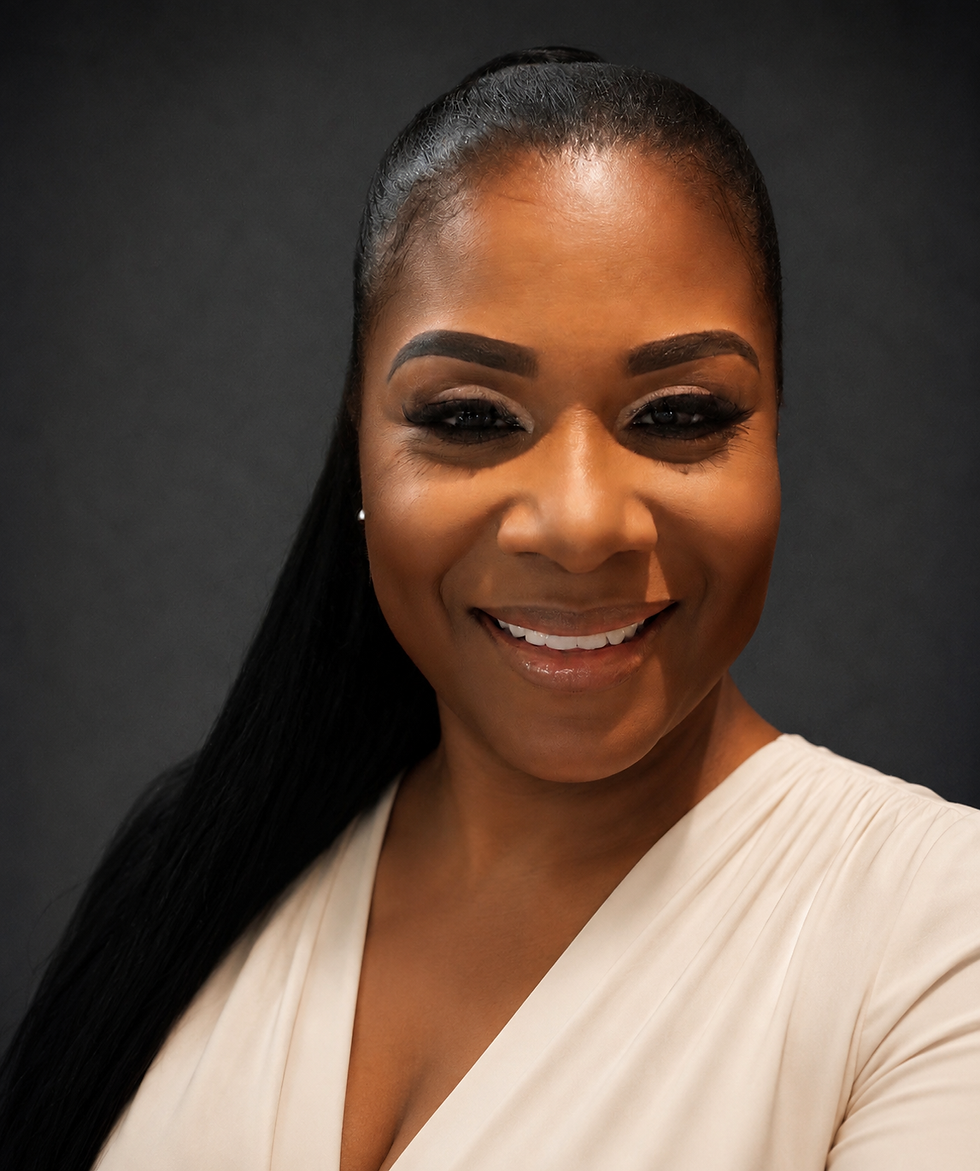
Simran Dave
Writer & Contributor

Author Bio: Simran Dave is a 27-year-old writer and finance professional based in Livingston, New Jersey. Outside of her work in finance, she finds expression through writing and dance. Much of her writing explores her experiences navigating an overwhelming and highly reactive nervous system, the health and interpersonal trauma accumulated over the years, and the process of understanding experiences she could not fully name for much of her early life.


Comments