FINDING JOY
Healing, Hope, and New Beginnings
“Weeping may stay for the night, but joy comes in the morning.” — Psalm 30:5 (NIV)
When I was a little girl growing up in the Baptist church, I often heard this scripture whenever someone was struggling. Those words were meant to comfort, as if pain and trauma could disappear if you simply had enough faith. What I internalized instead was that if you carried enough hurt, you just had to trust hard enough to find joy eventually.
At an early age, I became familiar with pain. I experienced deep wounds long before I understood how to process them. My parents divorced, and over time, both emotionally disengaged from my brothers and me. I grew up hearing messages that my body was not good enough, creating body dysmorphia that eventually developed into an eating disorder. There were conversations about weight-loss interventions and even gastric bypass surgery before I left junior high. Hit after hit, my family showed me there was no safe place for me to be myself.
I became the protector of everyone else’s pain. Somewhere along the way, I convinced myself that if people hurt me enough, they would eventually learn how to love me. In my young mind, pain became intertwined with love.
As I grew into adulthood, unhealthy relationship patterns shaped how I saw myself. I accepted treatment that diminished my worth because I believed that was all I deserved. I found myself in relationships filled with manipulation, dishonesty, emotional harm, and betrayal. Eventually, I married someone who intensified those wounds until I barely recognized myself anymore.
At the end of my marriage, after a great deal of therapy, I started asking myself a simple question: What actually brings me joy?
I began modeling, traveling, creating content, hosting a podcast called " Divorce and Dating, making new friends, and putting myself back out into the world. I convinced myself—and others—that I was finally stepping into my life again. Looking back now, I realize much of it was performative. I was trying to recreate the joy I saw other people displaying online, hoping that if I mirrored it closely enough, it would eventually become real. But deep down, I was still searching for the kind of joy that blooms in your chest and transforms you from the inside out.
In 2024, I moved to Baltimore. I found a job, bought a house, and told everyone I was never coming back to Washington. I believed this was finally going to be my fresh start. My modeling career would take off. I would conquer the world.
Instead, my house flooded because of an illegally installed sewer pipe. The plumbing burst, leaving half my house without water for months. Then I lost my job after only three months.
Still, I kept fighting for what I thought joy looked like.
Baltimore taught me about community, but I still did not understand true joy. I felt like I was failing at life. I was unemployed in a city that no longer felt stable beneath me. I applied for countless jobs. Employers loved my resume until they learned I did not have a degree. Suddenly, my value shifted in their eyes.
The people around me made me feel loved, but I was carrying grief so heavy that I did not even realize how much it was shaping me.
Eventually, I returned to Washington as an executive director, intending to split my life between both coasts. Due to unsafe living conditions, I had to move back home. I drove back to Washington ashamed, feeling like I had failed yet again. Most people did not know I had returned until I publicly shared that the organization I was leading was closing due to funding issues.
I felt like my life was falling apart, and I carried that shame everywhere.
For a long time, I sought validation in unhealthy places. I confused temporary attention for connection. Even after my divorce and the phase of trying to outrun my pain, I still found myself chasing moments that looked like intimacy but lacked genuine care and understanding.
Recently, though, I started slowing down.
I stopped centering men.
I stopped trying to save a collapsing organization single-handedly. I stopped fighting constant battles with my mother.
I stopped hiding in plain sight.
Instead, I started asking people for what I needed, even when I was terrified of hearing difficult truths. I hurt people I love, but those same people loved me enough to speak honestly with me, and we cried together. The people closest to me were never people I intended to hurt.
That is when joy began blossoming inside me.
The more I released control, stopped performing for others, and allowed myself to walk through pain instead of around it, the more I felt my heart opening. I started feeling joy in my body instead of just trying to convince myself it existed.
Joy, for me, looks like this: I started reading again.
I started dreaming about a future where I no longer hide in the shadows but live fully and openly.
I desire love—both platonic and romantic.
I write poetry.
I plan outings, even if I go alone.
I look forward to intimacy built on honesty, where both the dark and light parts of me are welcome.
Joy feels like peace.
I have a tattoo of a lotus flower with a line from one of my poems: love creates healing. A lotus grows from dark, muddy water. Beneath the surface is murky water and tangled roots, but above it blooms something breathtaking.
That image feels familiar to me.
Within pain, trauma, and heartbreak, there can still be beauty. There is joy in becoming fully authentic. Perfection is not what heals us. What heals us is learning to balance self-love, hope, honesty, and grace.
If you have read the difficult parts of my story, I want to ask you to pause for a moment. Sit quietly by yourself. Visit the corners of your heart you try to hide from the world and offer those parts compassion instead of shame.
You do not have to remain an audience member in your own life.
Fight for the parts of yourself that still believe joy is possible. Do not settle for performative happiness. Real joy begins when we acknowledge the hurt and allow ourselves to heal honestly.
Like the lotus flower, beauty can still bloom from muddy water.
"Your happiness is not the betrayal of your difficult circumstances. Your happiness is the pathway through them.” — Abraham Hicks
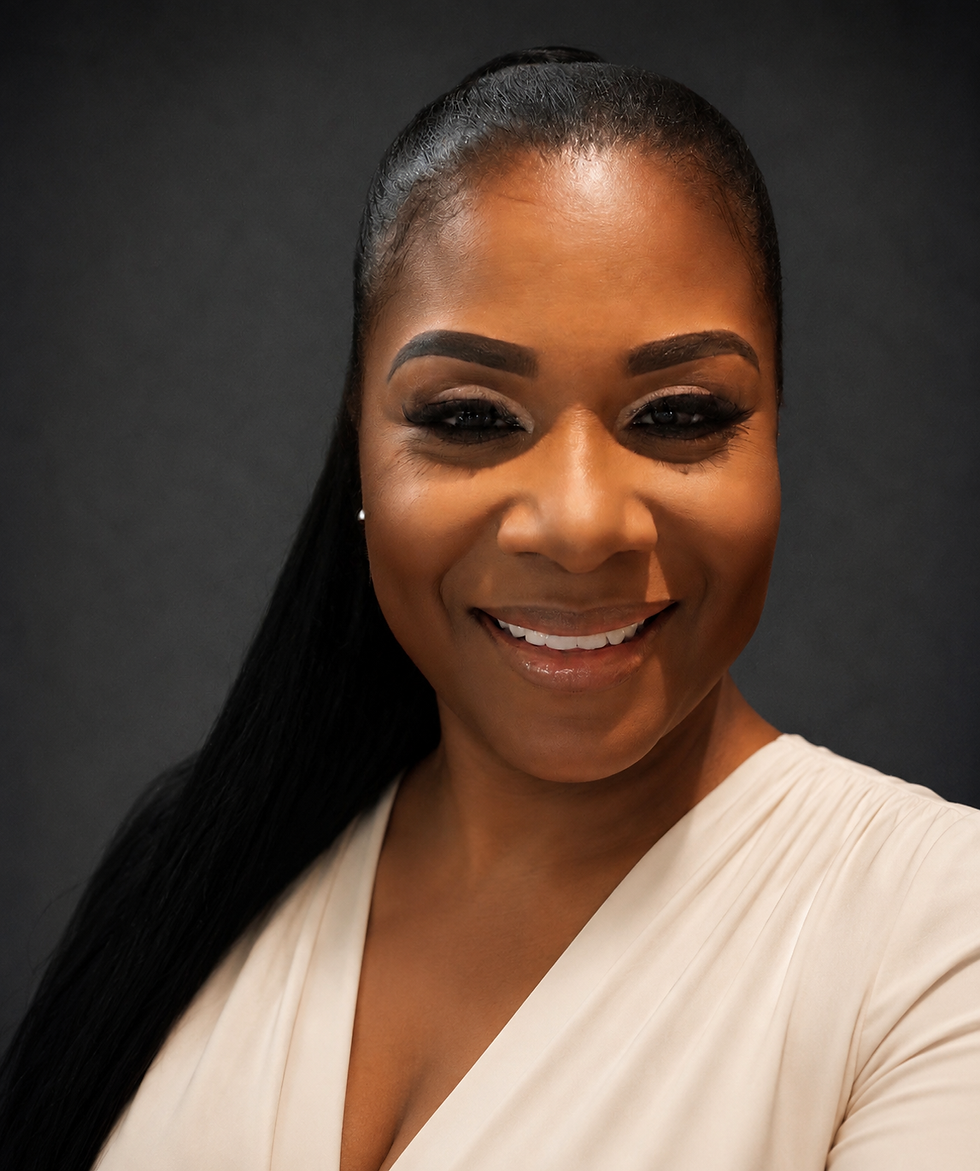
By Lindsay Irene


Comments