HOW LOSS BECAME MY PURPOSE
Finding meaning, healing, and purpose after profound loss
Ayana Thomas is a grief coach, author, speaker, and founder of Ayana Thomas Initiative LLC and Grieving Back to Life, a movement supporting individuals impacted by trauma, incarceration, loss, and systemic harm. She is the creator of the AYANA Grief Method™, a healing framework designed to help individuals acknowledge grief, navigate emotional pain, and reclaim purpose after life-altering experiences. Through her work in communities, court systems, and correctional facilities, Ayana creates trauma-informed healing spaces for justice-impacted women and underserved populations. Her work centers grief as both a human and public health issue, helping people transform survival into healing and restoration.
There was a time in my life when grief was not just something I experienced. It was something I survived every single day.
People often think grief only comes from death, but my grief came in layers. It came through abandonment, trauma, incarceration, homelessness, heartbreak, silence, survival, and becoming someone I barely recognized, just to make it through another day. I know what it feels like to carry pain so deep that it changes the way you see yourself and the world around you. I know what it feels like to wake up exhausted before the day even begins because your mind, body, and spirit have been carrying too much for too long.
My story did not begin with healing. It began with survival.
I grew up navigating wounds that were never fully acknowledged. Childhood trauma shaped the way I understood love, safety, and trust before I even had the language to describe what I was experiencing. I learned early how to stay guarded. I learned how to silence my emotions to survive environments that did not always feel emotionally safe. I learned how to become strong long before I ever had the opportunity to simply be soft, protected, or cared for.
As I got older, life continued to present pain in different forms. Domestic violence. Emotional abandonment. Moments where I felt unseen, unheard, and completely disconnected from myself. There were periods in my life where I struggled deeply with my mental and emotional health. I carried shame for the things that happened to me and shame for the ways I responded while trying to survive them. I internalized pain because I did not yet understand that unresolved grief has a way of showing up in every area of a person’s life.
There were moments when I questioned my worth. Moments where I questioned whether my life would ever become anything more than survival. I know what it feels like to carry grief while still being expected to function. To smile while silently drowning. To keep showing up for others while feeling empty inside yourself.
I also know what it feels like to experience incarceration and homelessness and to live through circumstances that make people judge your life without ever understanding your story. Some of the hardest moments of my life came during seasons when I felt completely disconnected from hope. It is difficult to explain what happens to a person when pain becomes constant. You begin to slowly lose pieces of yourself. You stop recognizing your own voice. You stop believing you deserve peace. You become consumed with surviving the day instead of imagining a future.
But even in my darkest moments, there was still something inside of me refusing to die. I did not realize it then, but that small voice inside of me would eventually become the foundation of my healing journey.
Healing did not happen overnight for me. It was not one moment, one breakthrough, or one perfect decision. Healing was learning how to sit with myself honestly. It was learning that grief needed space instead of suppression. It was understanding that my pain deserved acknowledgment, not punishment. I had to stop asking myself what was wrong with me and start asking myself what happened to me. That question changed everything.
For so long, I believed survival made me damaged. But eventually, I began to understand that survival is evidence of resilience. The truth is that many people are carrying grief they have never been given permission to name. Grief from trauma. Grief from violence. Grief from incarceration. Grief from losing identity, relationships, opportunities, freedom, safety, or the version of themselves they thought they would become.
I realized my grief was connected to so many things society rarely talks about openly. I also realized I was not alone. As I continued healing, I became deeply passionate about creating spaces where people could finally tell the truth about their pain without shame. I wanted people to know they did not have to hide the parts of themselves they were taught to bury. I wanted women, especially Black and Brown women impacted by trauma and systemic harm, to know they deserved healing too.
Today, I am the founder of Ayana Thomas Initiative LLC and creator of Grieving Back to Life, a movement rooted in helping people honor the grief the world often overlooks. My work focuses on grief that extends beyond death. The grief connected to incarceration. Family separation. Trauma. Community violence. Reentry. Emotional abandonment. Identity loss. Systemic harm. The invisible grief people carry while trying to survive systems that were never designed to fully see their humanity.
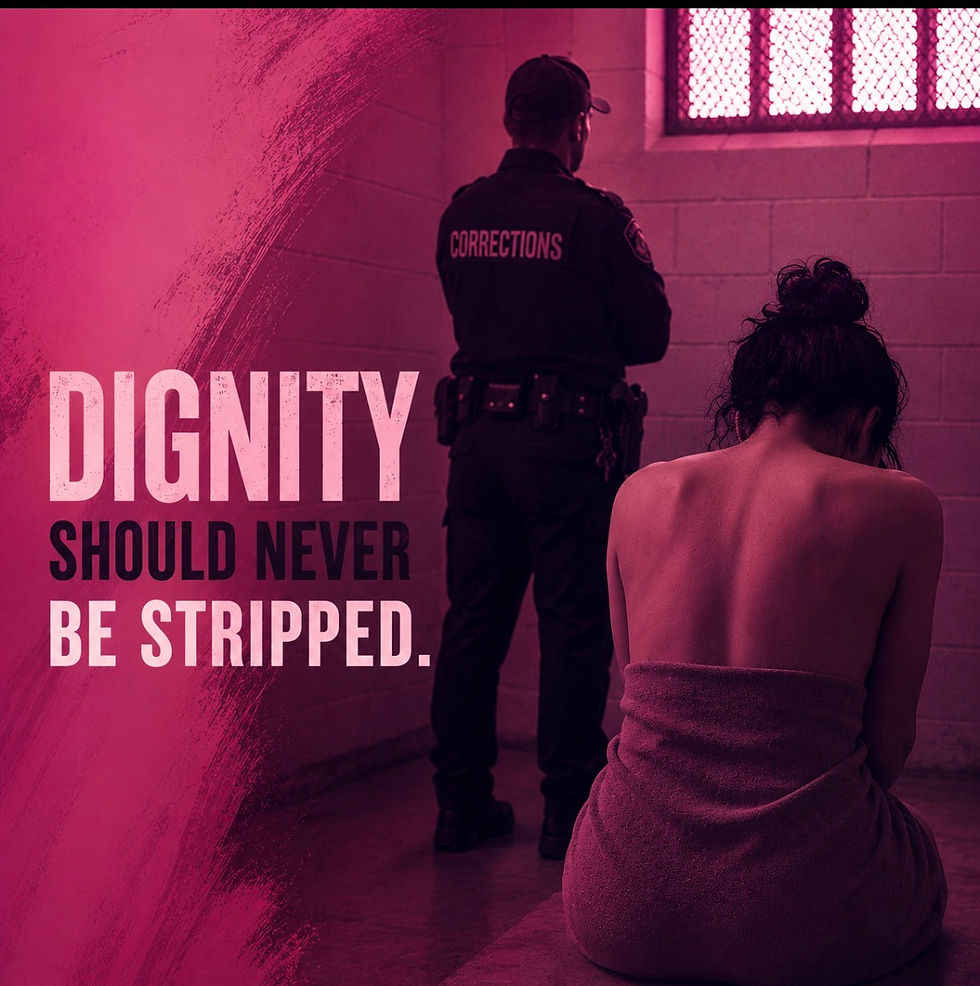
I facilitate healing spaces inside communities, court systems, prisons, and correctional facilities because this work is deeply personal to me. I know what it feels like to sit in pain while still being expected to perform strength. I know what it feels like to suffer silently while people only respond to your behavior instead of your wounds.
One of the most meaningful parts of my work is The Grief Behind the Gavel, where I provide emotional court support and grief-informed healing for women navigating the criminal legal system. Every time I enter those spaces, I am reminded of pieces of my own journey. Many of the women I support feel exactly as I did. Misunderstood. Overlooked. Judged before they were ever truly heard.
When I sit beside women in courtrooms, reentry spaces, or correctional facilities, I do not just see charges or case numbers. I see grief. I see trauma that was never acknowledged. I see survival responses that society punished instead of understanding. I see women carrying generations of pain while still trying to hold themselves together. This work has transformed me just as much as I hope it transforms others.
I have sat with women grieving children they lost custody of, grieving years lost to incarceration, grieving broken relationships, grieving addiction, grieving abuse, grieving parents who failed them, and grieving the younger versions of themselves they never had the chance to protect. I have learned that grief is often sitting quietly beneath anger, depression, substance use, emotional shutdown, and self-destruction.
The world often asks people, “What is wrong with you?”
My work asks, “What happened to you?” That shift matters.
I believe healing changes lives because I have lived it myself. Healing did not erase my pain, but it helped me understand that my pain did not have to define me forever. It taught me that I was still worthy despite everything I survived. It taught me that brokenness and purpose can exist in the same person at the same time. It taught me that there is life after devastation.
Today, I use my voice to advocate for grief literacy, trauma-informed care, and healing-centered support for justice-impacted individuals and communities. I speak publicly because I want people to understand that unresolved grief is shaping lives every single day. So many people are carrying invisible pain while trying to function in a world that rarely slows down enough to ask deeper questions.
If there is one thing I want people to understand, it is this: your story does not end with what happened to you. Trauma may shape you, but it does not have to own your future forever. Healing is possible, even after the unimaginable. Even after the silence. Even after the shame. Even after surviving things, you never thought you would make it through. I am living proof of that.
-RE/CLAIMED Magazine-


Comments